The Dopamine Trap: Why Your Phone Wins Every Battle for Your Attention
I build software for a living and I still lose evenings to my phone. This is not weakness. It is design. Here is how the trap works, and the simple changes that gave me my focus back.
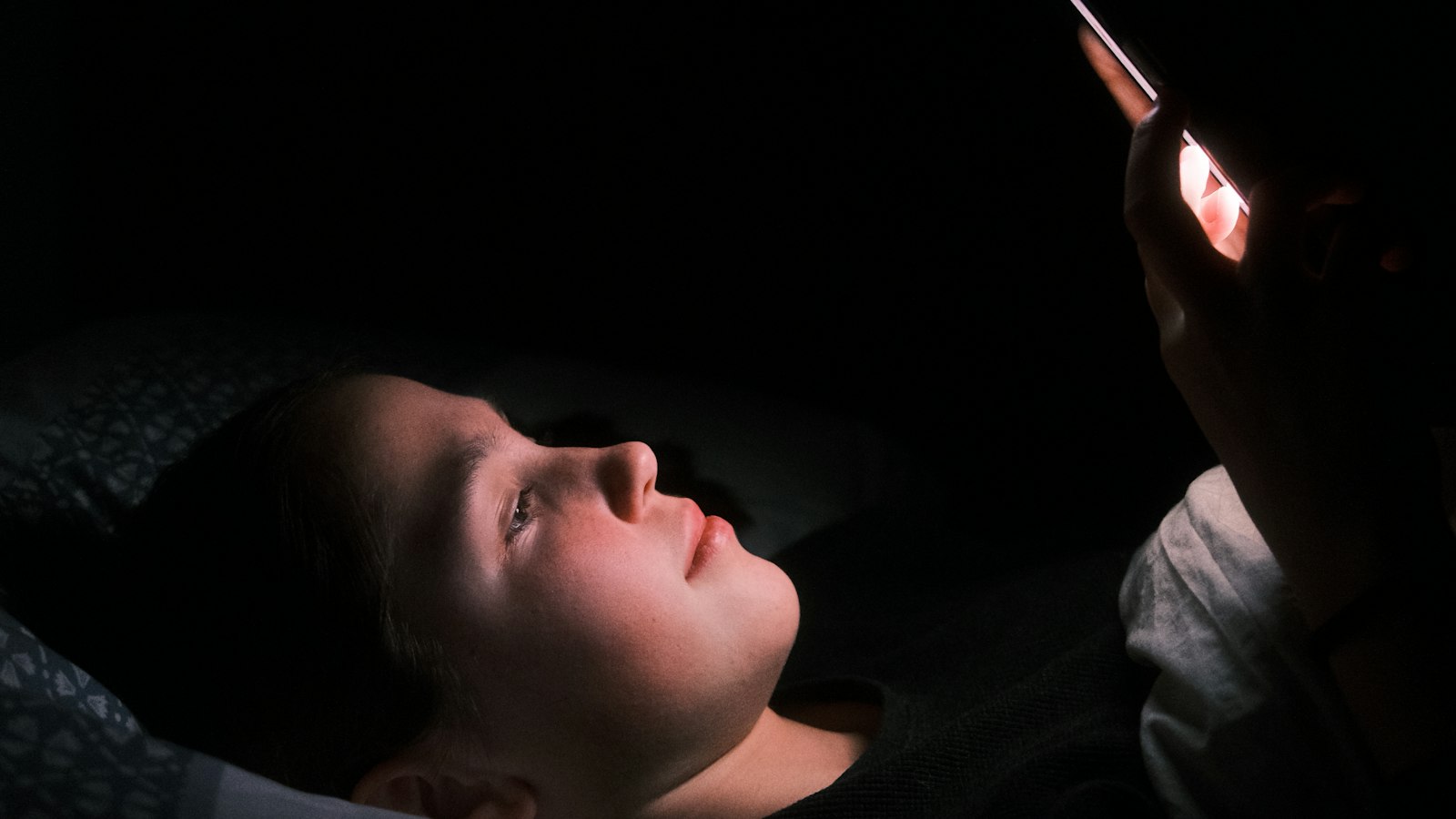
You pick up your phone to check the time. A notification is waiting. You open it, then another app, then a video, then another. Forty minutes later you put the phone down, tired and slightly guilty, and you still do not know what time it is.
I know this cycle well. And here is the ironic part: I build software for a living. I understand how notifications are timed and how feeds keep you scrolling. I still lose evenings to my phone.
That taught me something. This is not about intelligence or willpower. You are up against some of the smartest product designers and most powerful algorithms in the world, whose job is to keep you looking at the screen. So let us understand the trap, then build a way out.
How the trap works
Your brain's reward system loves novelty, unpredictability and social approval, and your phone delivers all three, all day.
Novelty. There is always a new video, post or headline. The brain is built to notice new things.
Unpredictability. You never know if the next swipe brings something amazing or boring. That uncertainty is exactly what makes slot machines addictive.
Social approval. Likes, comments and messages are small signals that you matter to your group.
Each small hit releases dopamine, the chemical of wanting, not happiness. That is why you can feel worse after an hour of scrolling and still want to continue.
Designed to keep you there
Infinite scroll with no natural end. Autoplay that starts the next video before you decide. Red badges that signal urgency. Streaks that make skipping a day feel like a loss. Pull to refresh, a literal slot machine movement. Personalised feeds that learn what keeps you watching, often content that makes you angry, jealous or anxious. None of this is an accident. It is engineered, tested and optimised.
What it cost me
Focus. I could not work fifteen minutes without reaching for my phone. Deep work felt almost impossible.
Sleep. Late night scrolling pushed my bedtime later and later.
Mood. Comparing myself with other people's highlights made my life feel smaller, especially while I was looking for a new job.
Time. My screen time shocked me: hours every day, weeks over a year.
How I won my attention back
Willpower failed every time, usually at night when I was tired. What worked was redesigning my environment, the way apps are designed, but in my favour.
I made my phone boring. Only calls and messages from real people send notifications. Social apps live in a folder on the last screen. In the evening the screen goes grayscale, and a grey Instagram is surprisingly unappealing.
I created phone free zones. No phone at the dinner table or in the bedroom. A cheap alarm clock improved my sleep more than anything else.
I replaced instead of removing. A book in my bag and on my nightstand, short walks, and calling friends instead of scrolling past their photos.
I batch my checking at set times: morning, lunch, late afternoon and early evening.
I protect the first and last hour. The first thirty minutes are for water, daylight, movement and my most important task. The last hour before sleep is phone free.
I measure it. Every Sunday I check my screen time. When it creeps up, I know my week was stressful, and I adjust.
The seven day experiment
- Turn off notifications except calls and messages from real people.
- Move social apps off your home screen.
- Phone out of the bedroom. Use an alarm clock.
- No phone for the first thirty minutes after waking.
- One hour of deep work a day with the phone in another room.
Write down how you feel after a week. Most people notice better sleep, sharper focus and a calmer mood within days. I certainly did.
What changed for me
The biggest change was not productivity, although I do get more done. It was calm. I can read for an hour again, I am more present with people, and building my product became easier because I had longer stretches of focus. I still post, read and enjoy good content. The difference is that I decide when, not the notification.
Families and couples
Children copy what we do far more than what we say. If we scroll at dinner, they will too. Phones away during meals and no screens in bedrooms work best as rules everyone follows, adults included. And for couples: try one evening a week with both phones in a drawer. It feels awkward for ten minutes. Then the conversations start and the jokes come back.
The bigger picture
Your attention is the most valuable thing you own. It decides what you think about, what you learn, who you connect with and what you build. Some of the biggest companies in the world earn billions by collecting it. You will give your attention to something either way. The only question is who decides where it goes. Start tonight: put your phone outside the bedroom.
Comments