Just Had an Accident? What to Do in the First Hour, Step by Step
Your hands are shaking and your mind is racing. This calm checklist covers safety, police, insurance and the mistakes people regret, with notes for drivers in Germany.
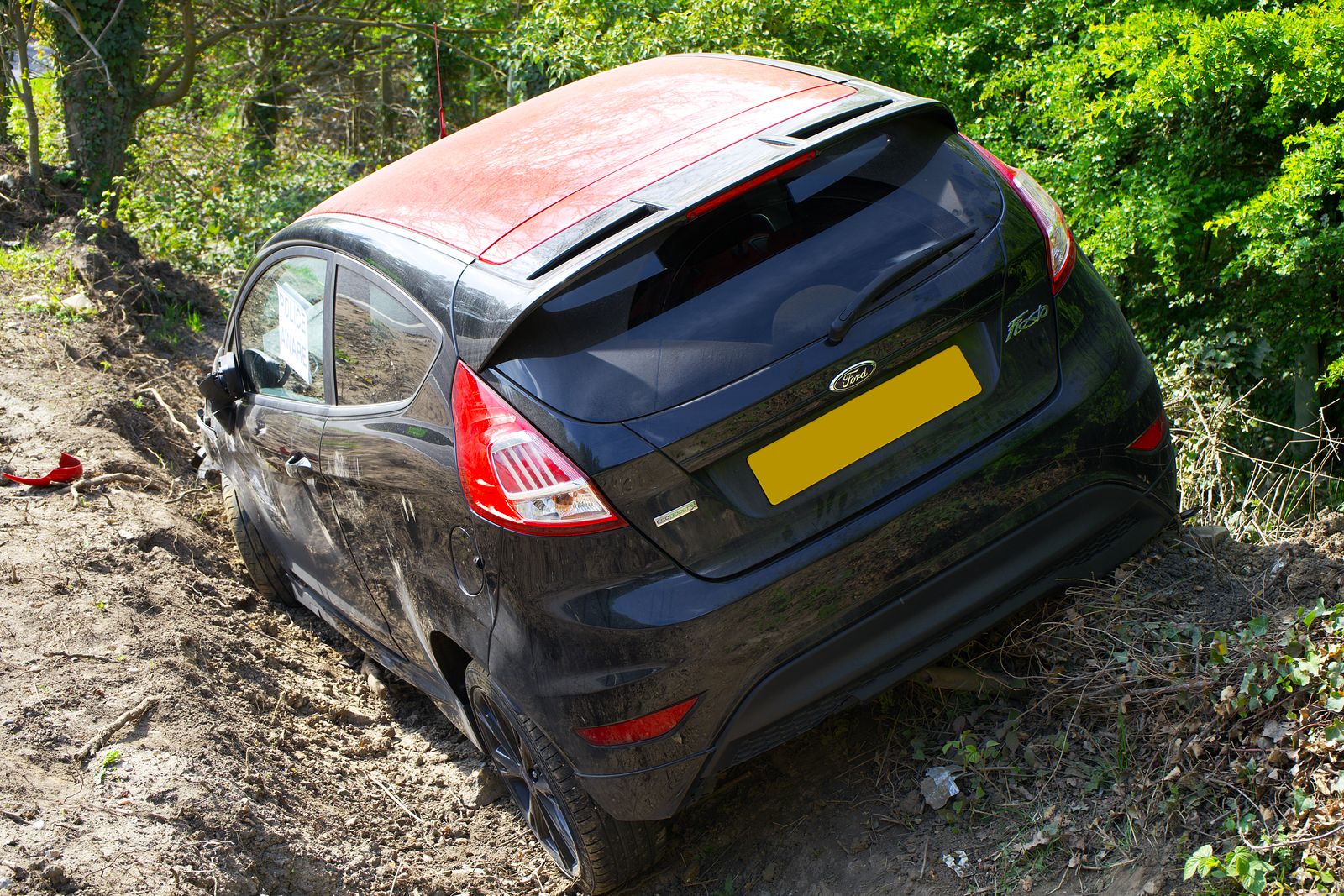
I have been driving for many years, first in Pakistan and now learning the rules again in Germany. If there is one thing every driving instructor repeats, it is this: an accident happens in seconds, but what you do in the next hour matters for months.
Most people have no plan. They get out of the car in shock, argue in the middle of the road, forget to take photos, or say "it was my fault" before they even understand what happened.
So let us make a plan now, while you are calm. Save this article. Share it with your family. I hope you never need it.
Step 1: Stop, breathe, check yourself
Stop the car. Switch on your hazard lights. Take one slow breath.
Check yourself for injuries before you move. Shock can hide pain. Then check your passengers.
Step 2: Make the scene safe
If you can move safely:
- Put on your high visibility vest before you leave the car. In Germany every car must carry one.
- Get passengers out on the side away from traffic and behind the safety barrier if there is one.
- Set up the warning triangle at a safe distance behind the scene. On fast roads and motorways it needs to be much further back than in town.
Never stand between cars or in a live lane to argue or check damage.
Step 3: Call for help when needed
- If anyone is hurt, call 112 for an ambulance. This works across the EU.
- Call the police on 110 in Germany if someone is injured, if the other party behaves aggressively, if you suspect alcohol, if there is a dispute about what happened, or if a foreign or unclear vehicle is involved.
Give first aid if you can do so safely. In Germany, helping is a legal duty within what is reasonable for you.
Step 4: Do not leave the scene
Leaving an accident without allowing your details to be recorded can be a crime, even if the damage is small, like a scratch on a parked car. If the owner is not there, wait a reasonable time and call the police. A note under the windscreen alone is not enough.
Step 5: Collect the facts
When everyone is safe:
- Photos: all vehicles from several angles, damage close up, number plates, road markings, signs, skid marks, weather.
- Details: names, addresses, phone numbers, insurance company and policy numbers, number plates.
- Witnesses: names and phone numbers. Witnesses disappear quickly.
- Notes: time, place, direction of travel, what happened in your own words, written while it is fresh.
Many insurers recommend the European Accident Statement form. Keep a blank one in your glovebox.
Step 6: Watch what you say
Stay polite and calm. Ask if the other person is okay. But do not admit fault, sign anything you do not fully understand, or agree to "settle it privately" under pressure. Fault is decided later with the facts.
Step 7: Inform your insurance quickly
Contact your insurance company as soon as possible, usually within one week. Send your photos and notes. If the other driver is at fault, their liability insurance should cover your damage, but get advice if anything is unclear. A traffic law specialist can help in complex cases.
Step 8: See a doctor, even if you feel fine
Neck and back injuries often appear hours or days later. A medical check soon after the accident protects your health and documents any injury properly.
Step 9: Look after your mind
Accidents shake people. Some feel nervous driving for weeks. That is normal.
Drive short, easy routes first. Talk about what happened. If anxiety or flashbacks continue, speak to a doctor. Recovery is not only for the car.
Your glovebox checklist
Put these together this weekend:
- High visibility vests for every seat if possible
- Warning triangle and first aid kit
- A blank European Accident Statement and a pen
- Your insurance details
- A charged phone and an emergency number list
Final words
Nobody plans an accident. But you can plan your reaction. Calm, safe, documented and polite: that is how you protect your health, your money and your peace of mind.
Drive carefully, and if it does happen one day, you will know exactly what to do.
Comments