How to Write a CV That Actually Gets Interviews in 2026
I have been on the job market myself this year, after fourteen years in software. I rewrote my CV more times than I want to admit. Here is everything that actually made a difference.
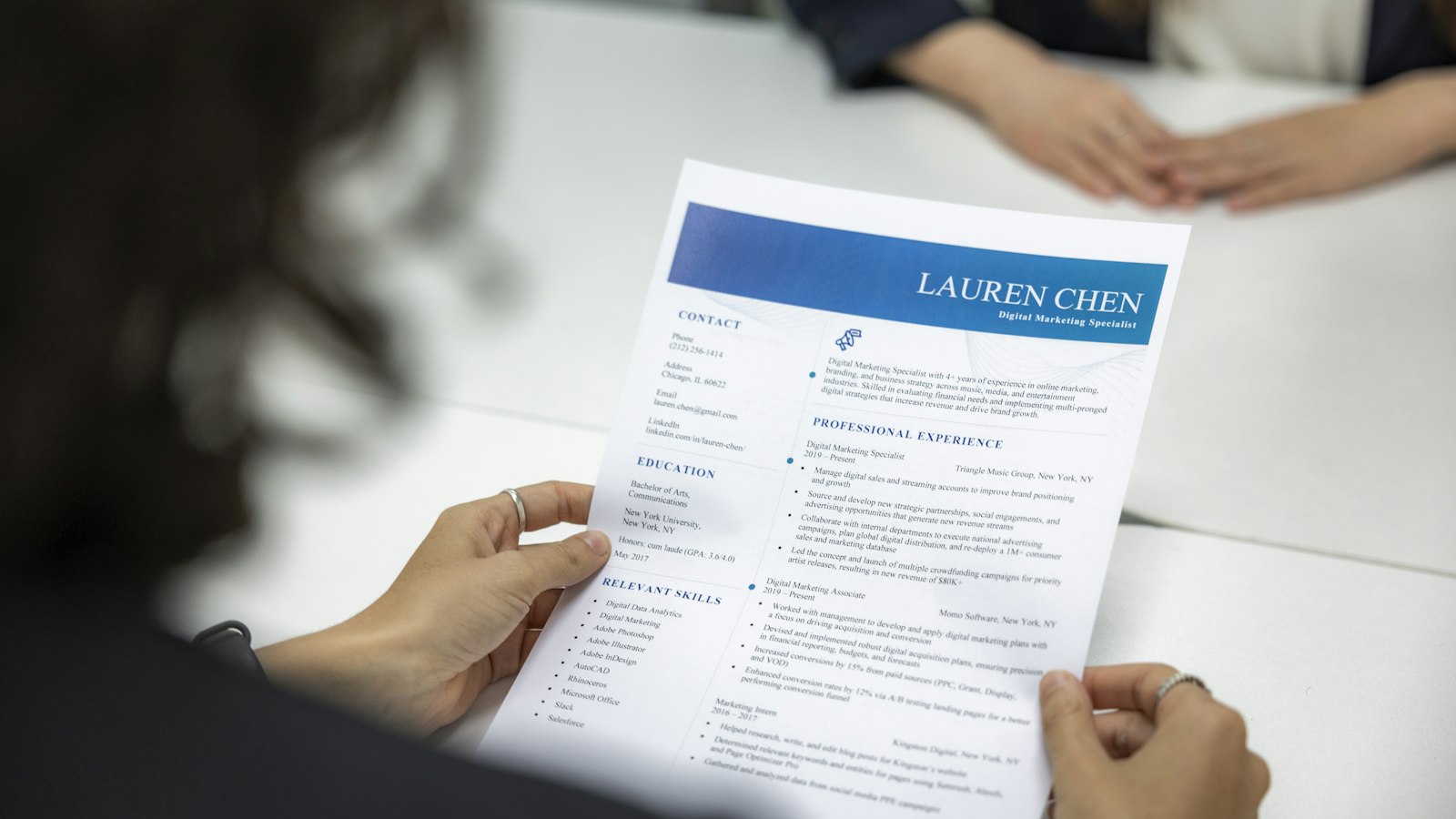
This year I found myself in a situation many people know but few talk about publicly. After fourteen years in software, most recently as a solution engineer, I was looking for a new job.
I thought my CV was good. It listed every role, every technology, every responsibility. It was detailed and honest, and it was not getting me enough interviews.
So I did what I do with any system that does not work: I studied it. I read what recruiters say, tested versions, asked people who hire for feedback, and rewrote my CV more times than I want to admit. Some changes made no difference. A few made a big one.
The one job of a CV
A CV has one job: get you the interview. Not tell your life story or list every task you ever did. Just make the reader think, "I want to talk to this person." Once I understood that, I started deleting a lot.
Who reads it first
Before a human sees your CV, it often passes an applicant tracking system that scans for keywords and structure. Then a recruiter skims it, often in seconds. So it needs to work for two readers: clear for software, convincing for a tired human.
The top third decides everything
My old CV started with a long profile full of "passionate" and "results oriented", then my oldest jobs. The good stuff was on page two. I flipped it. The top now has:
- Name and contact details, plus LinkedIn and city. In Germany a photo is still common; in many countries it is better left out.
- A clear headline: "Solution Engineer | .NET, Cloud and AI Integration | 14 years".
- A three line summary: who I am, what I am best at, and one or two results with numbers.
Cover everything below the top third and ask a friend: "Would you call this person?"
Results, not duties
This was the biggest upgrade, and it is missing from almost every CV I review now.
Duty: "Responsible for customer support." Result: "Cut average response time from 24 hours to 4 by introducing a ticket system and templates."
Duty: "Developed web applications." Result: "Built a booking platform used by 12,000 customers a month, reducing phone bookings by 40 percent."
Numbers jump off the page: money saved, time saved, users, team size. If you do not know the exact figure, estimate honestly and be ready to explain how you know.
Tailor it for every job
I used to send the same CV everywhere. Now, for every application, I copy the job ad, highlight the phrases that appear most, make sure the true ones appear in my headline, summary and recent roles, and move the most relevant experience higher.
It takes fifteen to twenty minutes per job. Ten tailored applications usually beat a hundred generic ones, and they did for me. AI tools help: paste the job ad and your CV and ask what is missing. But never let AI invent experience you do not have. Interviewers ask about everything on your CV.
Keep it clean and simple
- Two pages for most experienced people, one if you are early in your career.
- Simple layout. Columns, icons and graphics often confuse tracking software.
- Most recent job first, consistent dates, and a PDF unless asked otherwise.
- Check spelling twice. A typo next to "attention to detail" is a classic for a reason.
What I cut
"References available on request." Long lists of every technology I ever touched. Hobbies that say nothing. Details of jobs older than about ten years, now one or two lines each. And empty words like "hardworking team player": I show it with results instead.
The skills section, done right
Listing everything made my important skills invisible. Now I group them into three or four lines, most relevant first: Languages and frameworks: C#, .NET, ASP.NET Core. Cloud and data: Azure, SQL Server. AI: LLM integration, RAG, n8n automation, model evaluation. Only list skills you are happy to be tested on, with a real project behind each one.
LinkedIn is part of your application
Recruiters will look you up. When I updated my CV, I updated LinkedIn the same day: same titles, same dates, a matching headline. A few thoughtful posts help too, because they show how you think.
Handling gaps honestly
Do not hide a gap with date tricks. One honest line is enough: "2026: career break, building a SaaS product and completing AI training." Gaps are far more normal than they used to be.
The emotional side
Job searching wears you down. Applications disappear into silence and rejections arrive as automatic emails. What helped me was treating it like a project with a weekly routine: a fixed number of tailored applications, a few networking messages, some learning, and time for training and rest. A rejection is often about timing, budget or an internal candidate, not your worth.
Final check before you send
Read your CV as a hiring manager with fifty CVs on the desk and ten minutes before a meeting. Would you call this person? If not, what would make you? Change that. Your experience is real. Your CV just needs to show it fast. It only takes one yes.
Comments